
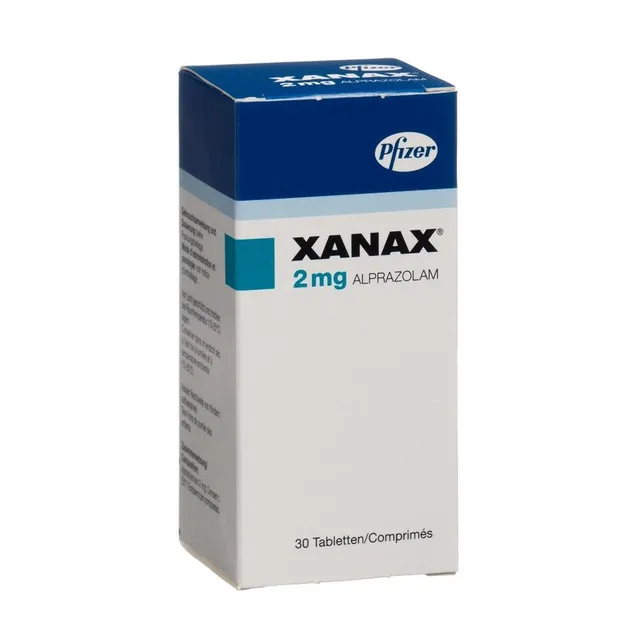
Xanax is the brand name for alprazolam, a prescription medicine that belongs to a group of medicines called benzodiazepines. It is mainly prescribed for certain anxiety and panic disorders. Because it affects the central nervous system, Xanax can reduce excessive nervous activity and produce a calming effect. Although it can be useful when prescribed appropriately, it also carries important risks, including drowsiness, impaired coordination, tolerance, dependence, and withdrawal symptoms.
Understanding how this medicine works can help people make safer decisions about treatment. Xanax should only be used under the direction of a qualified healthcare professional, and a person should not change the dose, frequency, or duration of treatment without medical advice. The appropriate treatment depends on the individual's symptoms, medical history, other medicines, and overall health.
What Is Xanax and How Does It Work
Xanax contains alprazolam, which is a benzodiazepine. Benzodiazepines influence a chemical messenger called gamma-aminobutyric acid, commonly known as GABA. GABA helps reduce excessive activity in the brain and nervous system. By increasing the effects of GABA, alprazolam can produce a calming and relaxing effect.
Doctors may prescribe alprazolam for anxiety disorders and panic disorder. Anxiety can involve persistent worry, physical tension, restlessness, difficulty concentrating, and other uncomfortable symptoms. Panic disorder can involve repeated episodes of intense fear accompanied by physical symptoms such as rapid heartbeat, sweating, trembling, dizziness, or shortness of breath.
The effects of Xanax can begin relatively quickly compared with some other medicines used for anxiety. This characteristic can make benzodiazepines useful in selected situations, but it also contributes to their potential for misuse and dependence. For this reason, medical professionals generally consider the shortest appropriate duration of treatment and regularly review whether continued use remains necessary.
A prescription does not automatically mean that the medicine is appropriate for every person. Factors such as age, pregnancy, breathing problems, liver or kidney conditions, previous substance-use problems, and other medicines can affect the safety of alprazolam.
Common Effects and What Users May Notice
The calming effect of Xanax can reduce feelings of anxiety and nervous tension. Some people may also experience relaxation or sleepiness. However, these effects can occur alongside unwanted reactions, particularly when treatment begins or when the dose changes.
Common side effects can include drowsiness, dizziness, fatigue, impaired coordination, and difficulty concentrating. Some people may experience changes in memory or slower reaction times. These effects can interfere with driving, operating machinery, studying, or performing tasks that require full attention.
Individual responses vary considerably. One person may feel mildly sleepy while another may experience substantial sedation. Older adults can be particularly vulnerable to impaired coordination and falls. Combining alprazolam with other substances that cause sedation can increase these effects significantly.
People taking Xanax should pay attention to how the medicine affects them before engaging in activities requiring alertness. Alcohol can intensify the sedative effects of benzodiazepines and may increase the risk of serious complications. Other medicines, including some opioid pain medicines and other central nervous system depressants, can also create dangerous interactions.
Dependence Tolerance and Withdrawal
One of the most important safety issues associated with Xanax is physical dependence. Dependence can develop when the body adapts to regular exposure to a medicine. This does not necessarily mean that someone has a substance-use disorder, but it does mean that stopping suddenly after regular use can cause withdrawal symptoms.
Tolerance is another possible issue. With continued exposure, the same dose may produce a weaker effect in some people. This can create pressure to increase the dose, which may increase the risk of adverse effects and dependence.
Withdrawal can involve anxiety, irritability, sleep problems, restlessness, sweating, tremors, and other symptoms. In severe cases, benzodiazepine withdrawal can involve seizures and other serious complications. For this reason, people who have been taking alprazolam regularly should not abruptly discontinue it unless specifically instructed by a healthcare professional.
A clinician may gradually reduce the dose according to an individualized plan. The pace of dose reduction depends on factors such as the dose being taken, duration of treatment, other medicines, and the person's response.
Important Drug Interactions and Safety Concerns
Medication interactions are a major consideration with alprazolam. Combining benzodiazepines with alcohol, opioids, or other sedating substances can increase central nervous system depression. In serious cases, excessive sedation, slowed breathing, loss of consciousness, or death can occur.
Certain medicines can also affect how alprazolam is metabolized. Drugs that inhibit enzymes responsible for breaking down alprazolam may increase its concentration in the body and intensify its effects. A healthcare professional or pharmacist can review a person's complete medication list to identify potential interactions.
People with respiratory disorders, liver problems, glaucoma, or a history of substance misuse may require particular consideration before receiving alprazolam. Pregnancy and breastfeeding also require professional medical advice because benzodiazepines can affect a developing or newborn child.
Emergency medical attention may be necessary if someone experiences extreme sleepiness, severe confusion, difficulty breathing, loss of consciousness, or an inability to wake normally after taking a sedating medicine.
Using Xanax as Part of Responsible Anxiety Care
Medication is only one possible component of anxiety treatment. Depending on the condition, healthcare professionals may also recommend psychotherapy, stress-management strategies, sleep improvement, physical activity, and other approaches.
Cognitive behavioral therapy is one commonly used psychological treatment for anxiety and panic-related conditions. It can help people identify patterns of thinking and behavior that contribute to anxiety and develop healthier responses.
Some people may benefit from longer-term medicines designed specifically for anxiety disorders, depending on their diagnosis. These treatments work differently from benzodiazepines and may be considered when ongoing management is required.
A person's treatment plan should therefore be based on an appropriate assessment rather than on the medicine alone. Anyone experiencing persistent anxiety, panic attacks, or severe distress should speak with a qualified healthcare professional for an evaluation.
Final Safety Considerations
Xanax can be an effective prescription medicine for selected anxiety and panic-related conditions, but it requires careful use. Its effects on the brain and nervous system mean that sedation, impaired coordination, medication interactions, tolerance, dependence, and withdrawal must all be considered.
People should take alprazolam only as prescribed and should never share their medication with another person. It is also important to keep prescription medicines securely stored and to discuss all other medicines, supplements, and substances with a healthcare professional.
Anyone considering starting, stopping, or changing Xanax should seek professional medical advice. Sudden changes after regular use can be dangerous. Understanding both the potential benefits and the risks allows patients and healthcare professionals to make more informed decisions about anxiety treatment.